
New tips each week for Vegetables and Fruit (V) and Flowers (F). Check back every week to see what needs doing in your garden this week!
F:
You
can prune roses now if you haven't done so already. Cut out any dead branches
and reduce others by at least half to an outward facing bud.
V:
Carry out a soil test on your plot to determine if any
additives such as lime are needed for your crops. Browse online companies or
catalogues and order seeds for the coming season.

F: Check that any dahlia tubers in store are not frozen or
rotten. If they are, then discard them.
V: Spread
well rotted farmyard manure on your beds, but not beds for the root crops, or
else the carrots will fork. If the beds need liming, DO NOT lime at the same
time.

F:
You can sow sweet peas now under protection. Invaluable for
busy pollinators. A trench can be prepared where they are to be grown, and
liberal amounts of compost can be added.
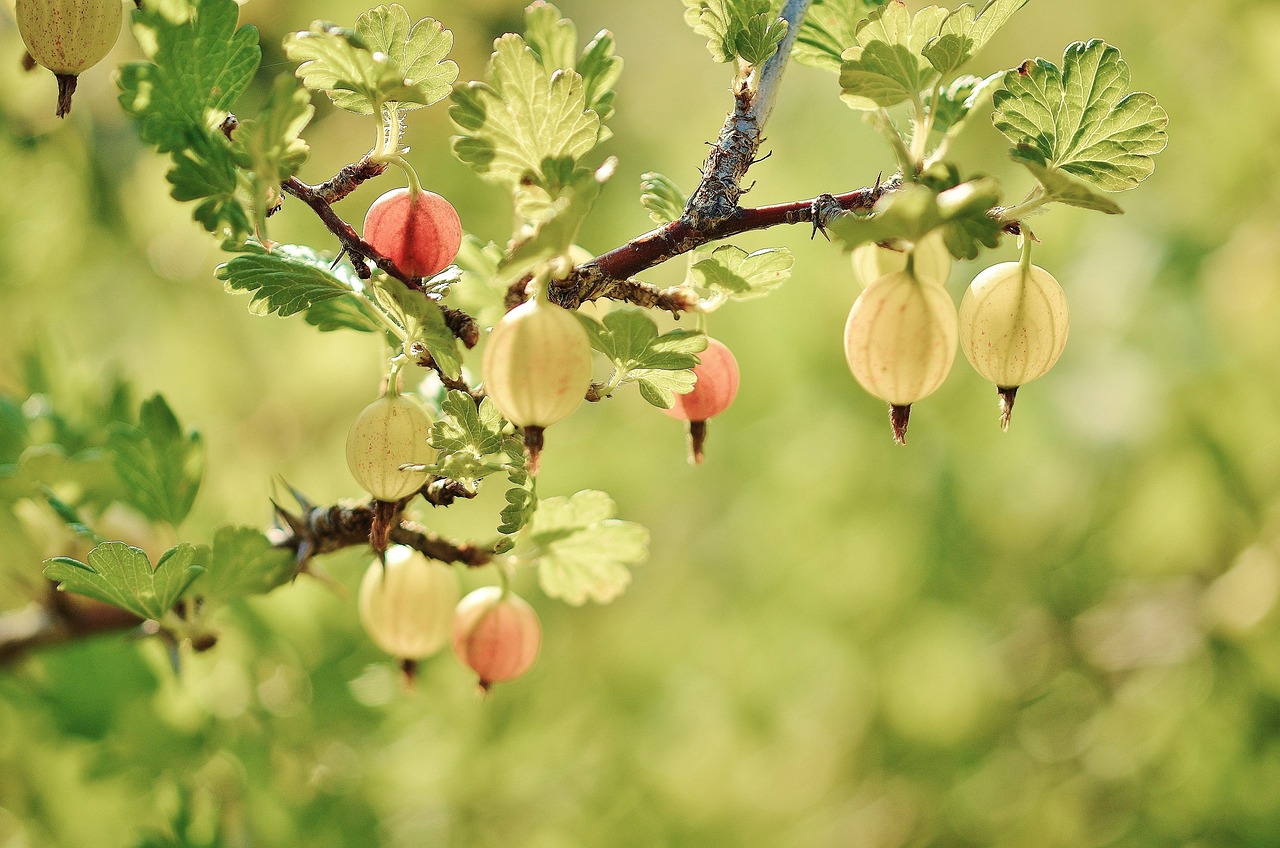
V: Gooseberries, red and white currants can be pruned now. Cut
out dead branches, cut new shoots by half and side shoots to 2 inches. With
blackcurrants, cut out half of the branches that have fruited.

F: Wash
and disinfect any seed trays, pots and propagators in readiness for the coming
busy season
V: Plant new rhubarb crowns, and you can force existing ones by
covering with an upturned bucket or dustbin filled with straw.

F:
In the flower garden, you can tidy up the perennials now
by cutting them back, put spent growth on the compost heap
V: Chit
any seed potatoes now by placing the tubers on their ends in boxes, egg boxes
are ideal, with the eyes, the small indents to produce shoots.

F: If
you have a propagator, you can sow Salvia's, antirrhinum and lobelia now.
V:
If
the ground is not frozen or waterlogged, you can plant any new bare root fruit
trees or bushes.

F:
Take root cuttings of fleshy rooted perennials like phlox
and oriental poppies. Simply dig up the plant, and cut the root into 2 inch
sections, insert them fully into pots of multi-purpose compost.
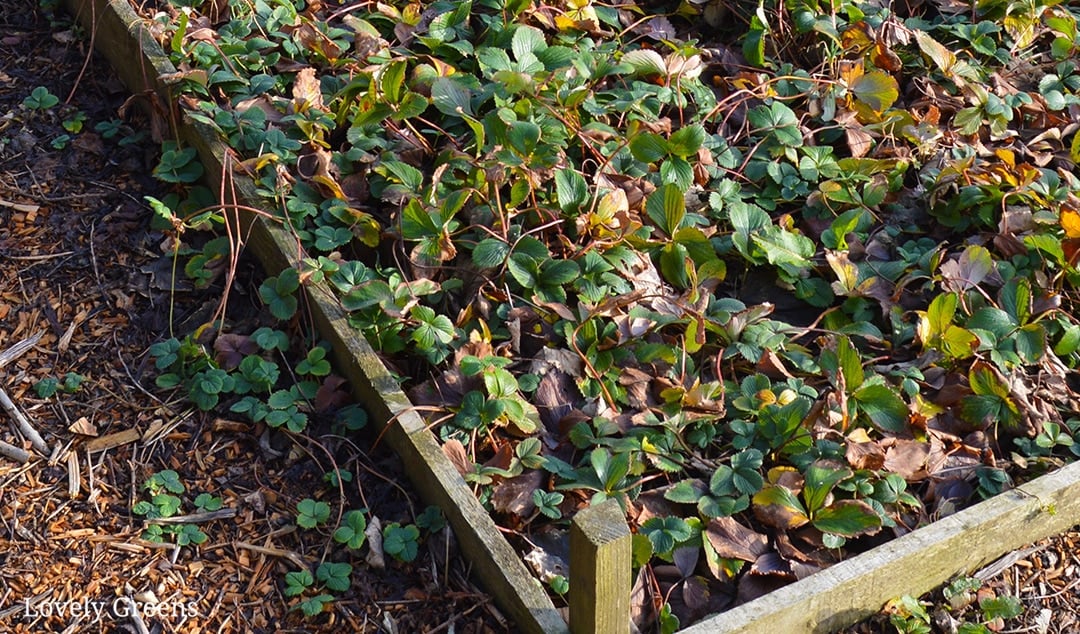
V: - Tidy up any strawberry plants by removing any dead leaves. You can also mulch
any perennials vegetables like Jerusalem artichokes, rhubarb and asparagus
F: Mark out any new flower beds, and get your lawnmowers,
strimmers and other equipment serviced.
V: Mulch
rhubarb crowns now with well rotted farmyard manure or compost.

F: Start sowing most of the half Hardy annual seeds, like
cosmos, nicotine, ageratum and stocks.
V: If
the ground is favourable, onion sets can be planted now. Plant them 6 inches
apart and with their tops just showing above the soil.

F:
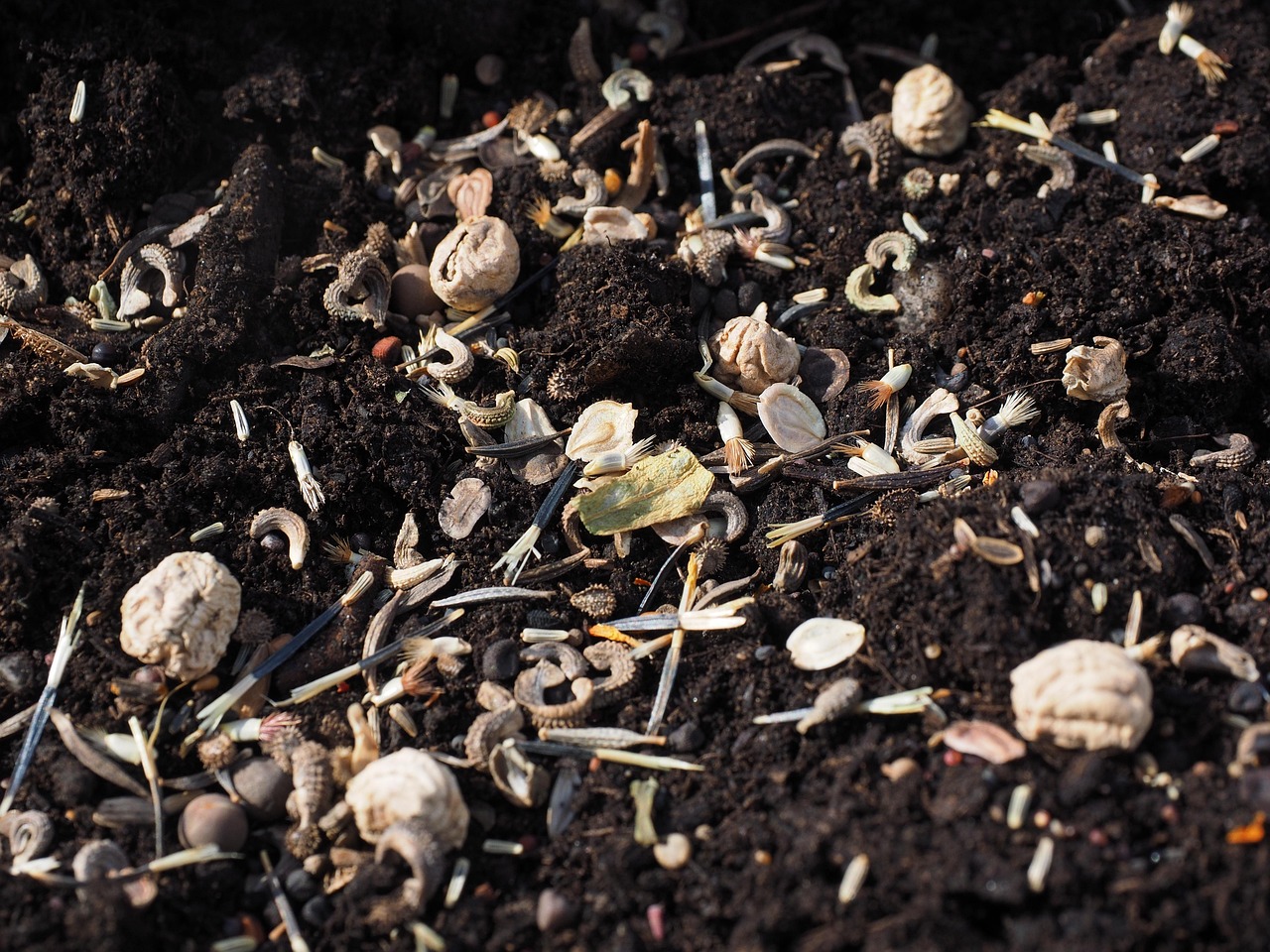
Hardy annuals can be sown outside if the weather and ground
are favourable. They can be broadcast directly, by scattering the seeds and
gently raking in. Water if the ground is dry.
V: Peas
and broad beans can be sown now, either in pots or directly in to the ground.
Lettuce, beetroot, parsnips, carrots, and many others can be sown direct in
drills also.
F: Sow
sweet peas now, if you didn't sow in the Autumn. Sow in pots to be planted out
later. Clean any canes in readiness and construct the supports.
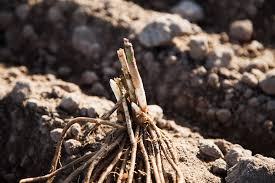
V: Plant new asparagus crowns. Plant in a shallow trench with a
mound in the centre. The roots are spread over the mound about 15 inches apart.
F: Remove any dahlia tubers from the winter storage, put in
shallow boxes or trays of compost and gently water. When growth emerges, take
cuttings about 3 inches long, just below a leaf joint, dip the end in rooting
powder and insert in trays or pots of multi purpose compost. Ensure the plants
and tubers are in a frost-free place.
V: If you are growing early potatoes, now is the time to
prepare the trench. Dig a trench a foot deep and wide, and add organic matter
and a layer of grass mowings to the base. This will help prevent scab.

F -Sow
hardy annuals like love-in-a-mist, pot marigolds, etc.
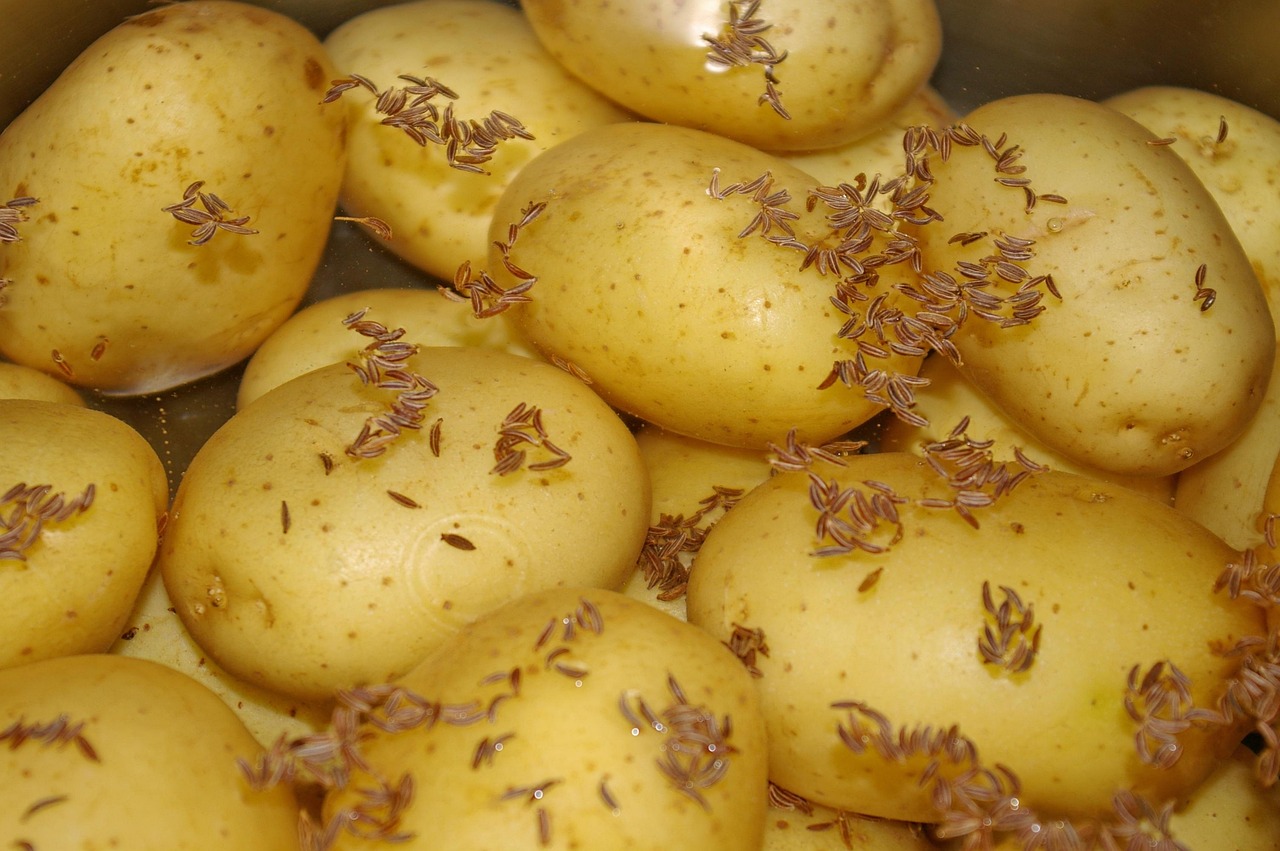
V - Check on any seed potatoes that are chitting and plant any early varieties in the polytunnel
under protection.
F - Protect new shoots of Delphinium, Hosta,
Lupins etc and other vulnerable plants from slugs and snails using an organic product
or beer traps.
V - pinch out the tips of any autumn sown broad bean
plants to deter aphids, or spray the shoots with a soap based solution if
already attacked by aphids.

F – pinch
out tips of fuchsias to promote bushier plants.
V – Thin out
heavy fruit sets of peaches and nectarines , leaving fruits about 3 inches
apart.
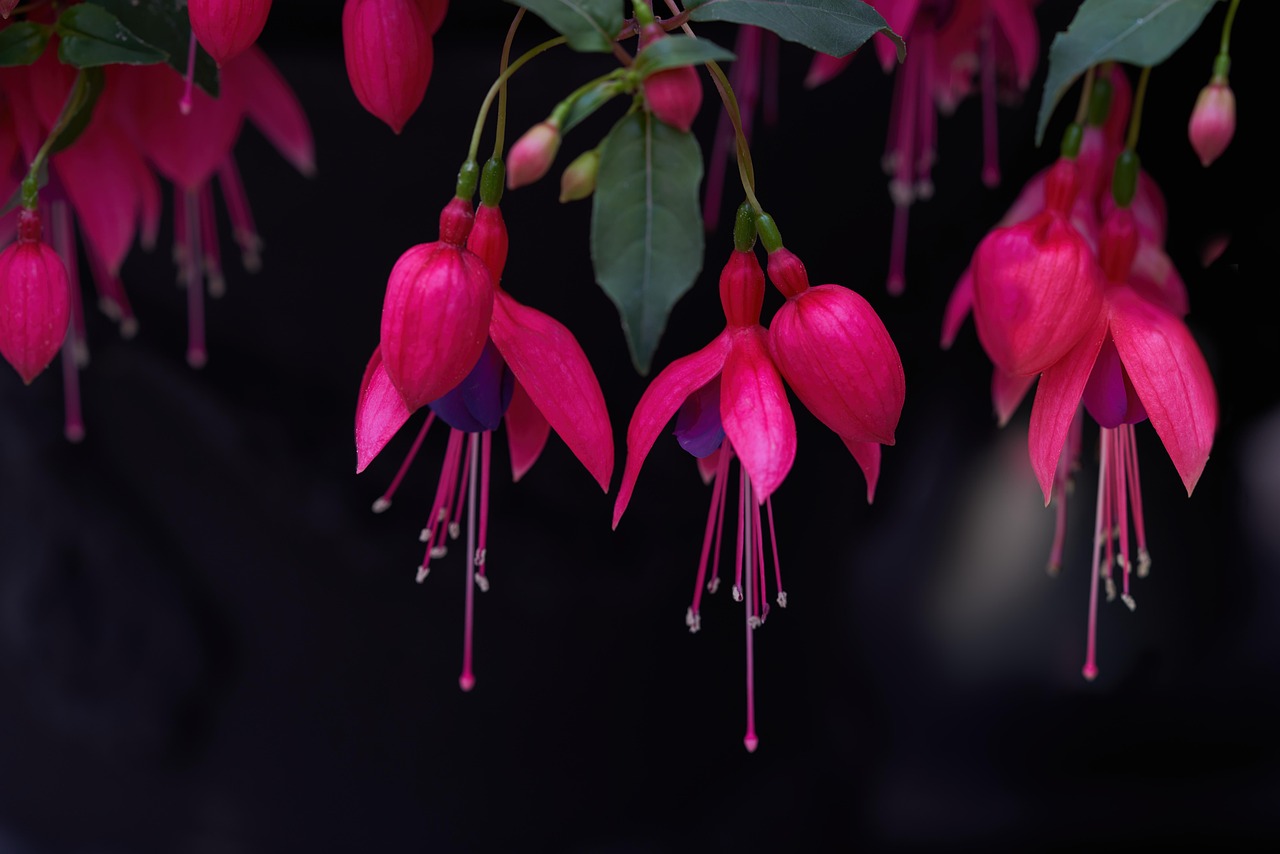
F - Plant up containers and hanging baskets with
summer bedding under protection now.
V – Sow courgettes, French and runner beans under protection to plant out in May, when weather is
more favourable.

F - Tie in any new soft growth of clematis,
wisteria and honeysuckle to their supports.
V- Earth
up any potatoes, covering shoots as they appear, and protect from any late
frosts
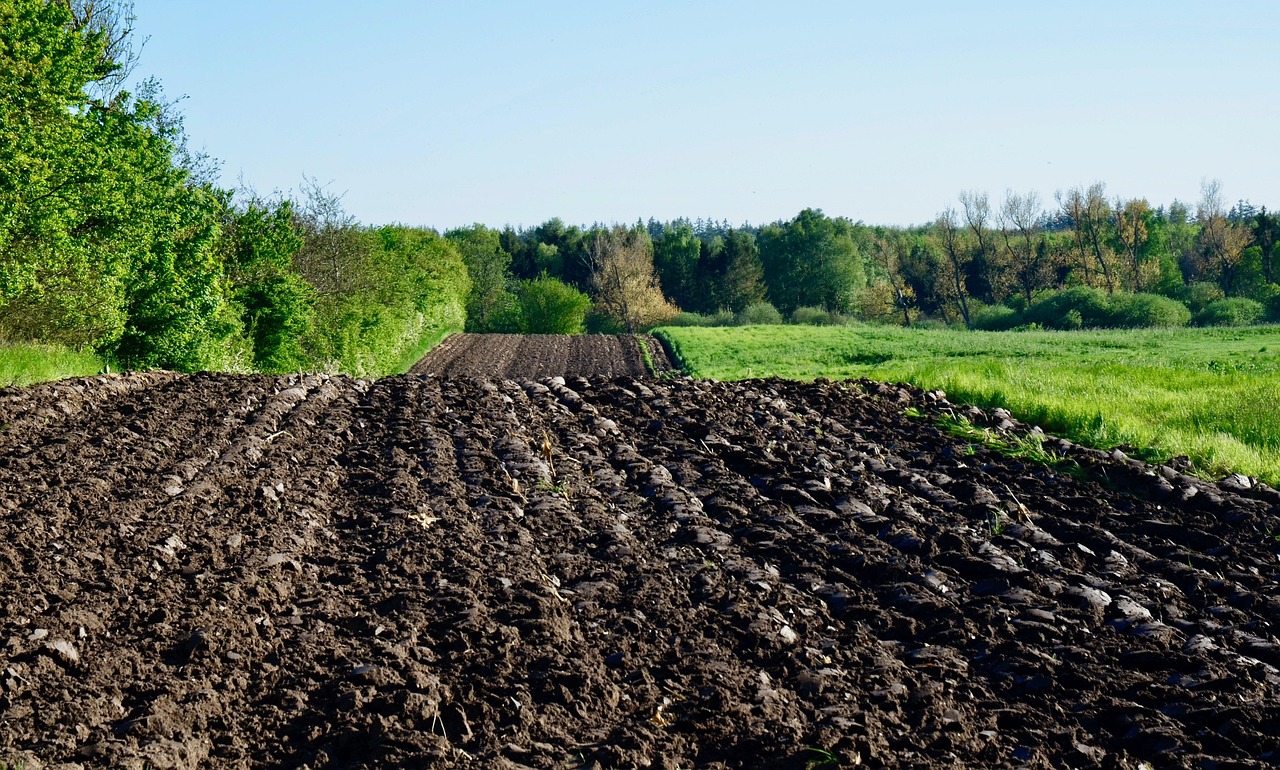
F - Apply a high potash feed to bulbs like
daffodils and tulips to promote a good display next year.
V - Start
to harden off any tender veg sown earlier like courgettes, outdoor tomatoes etc

F - Plant
out summer bedding now if the risk of frost has passed.
V - Sow french and runner beans and peas
directly outside if the risk of frost as passed.
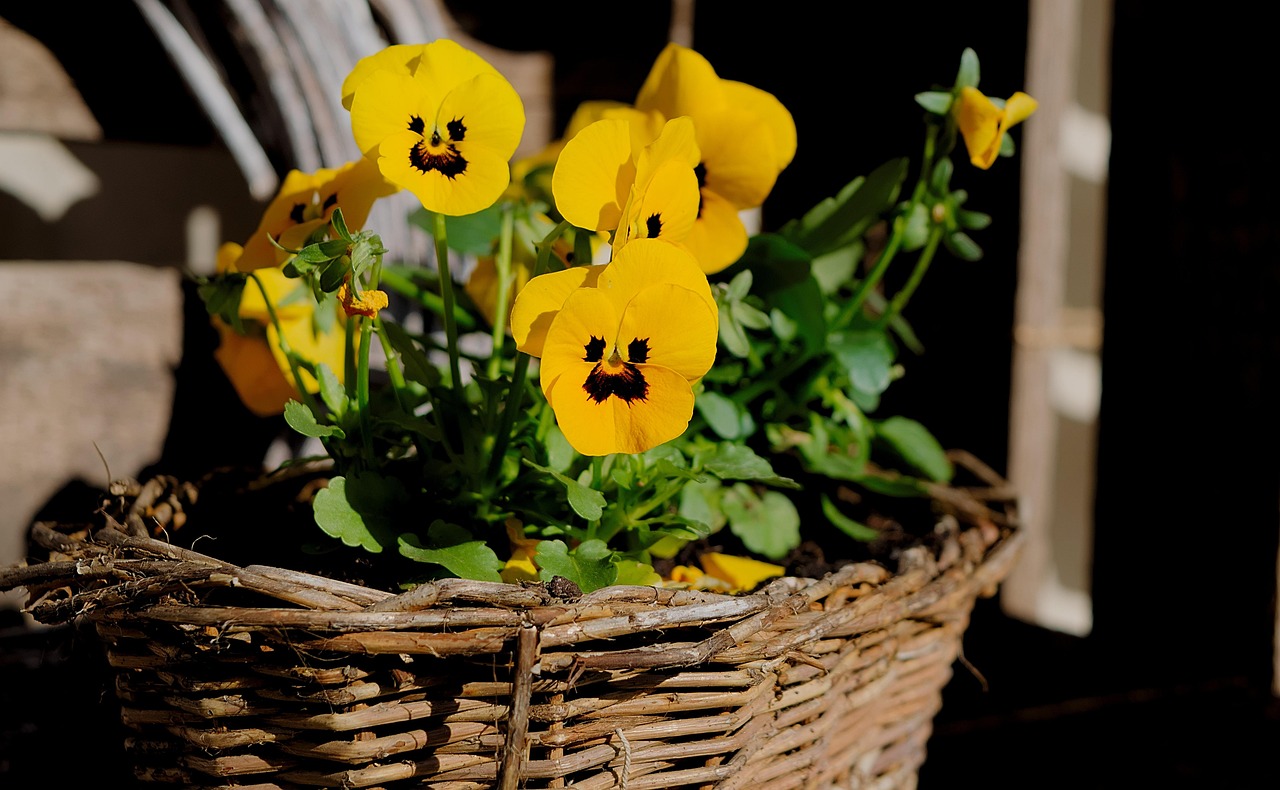
F - Plant out dahlia tubers, eucomis and cannas if
no late frosts are forecast.
JUNE
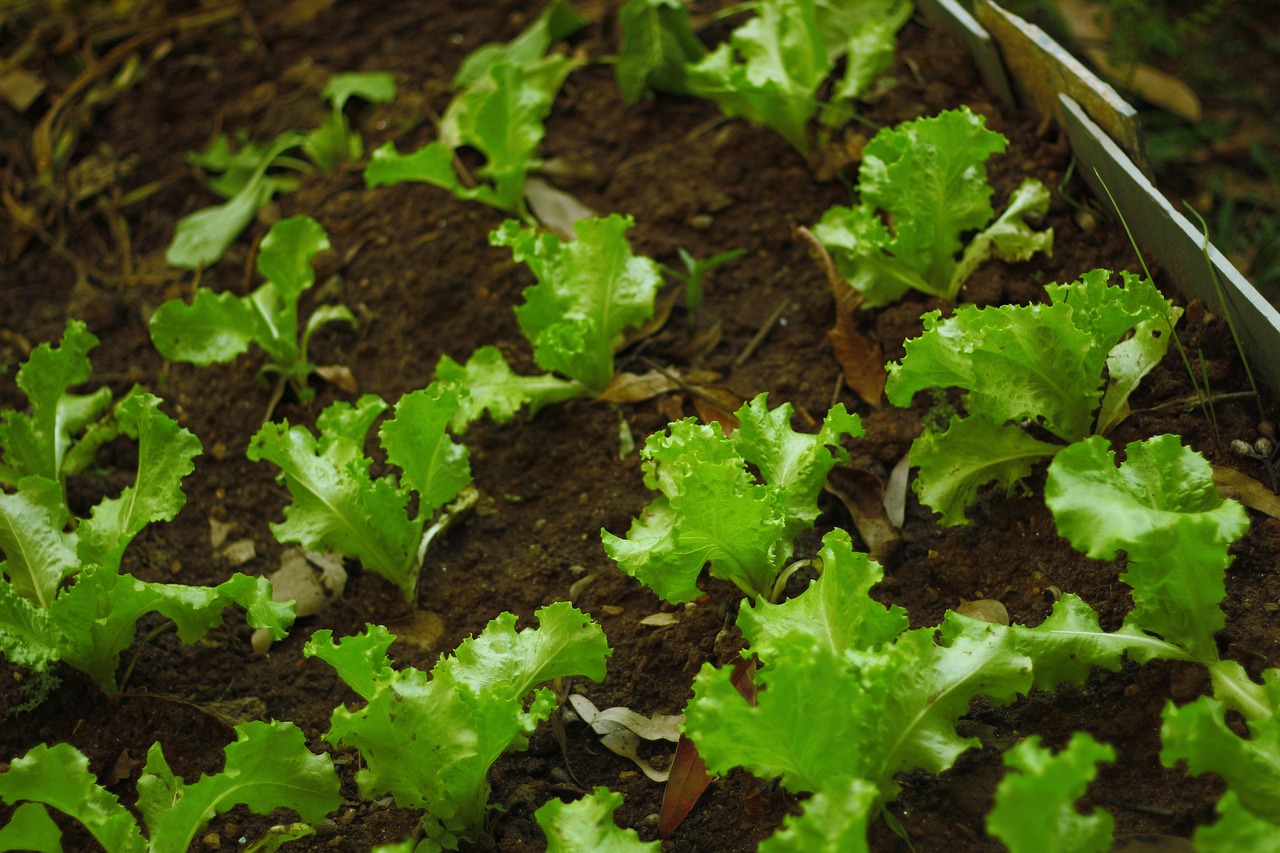
V - Sow
batches of salad leaves and salading crops like radish, beetroot etc every few
weeks for a continuous supply for the kitchen.
F - Give wisteria a summer prune, cutting long
sideshoots to 20cm to promote flowering next Spring
V - Plant out
sweetcorn plants after hardening off, arrange them in blocks to help pollination
as they are pollinated by the wind.

F
- Cut back spring flowering perennials
like pulmonaria to encourage a fresh flush of foliage.
V - Cover developing fruits of currants,
raspberries, strawberries etc with netting to prevent birds stealing the
fruit. Ensure there are no gaps or else you will trap and harm any bird that
gets in.

F - Water
bedding and containers daily in warm weather. Idealy early in the morning or
the evening to conserve transpiration.
V - Inspect fruit trees for wooly aphids and treat
infestations with a soap based organic spray

F - Take softwood cutting of hydrangea, geraniums
and fuchsia now.
V - Enjoy
any last harvests of asparagus now, and leave the fern like growth to grow up
over the summer.
F:
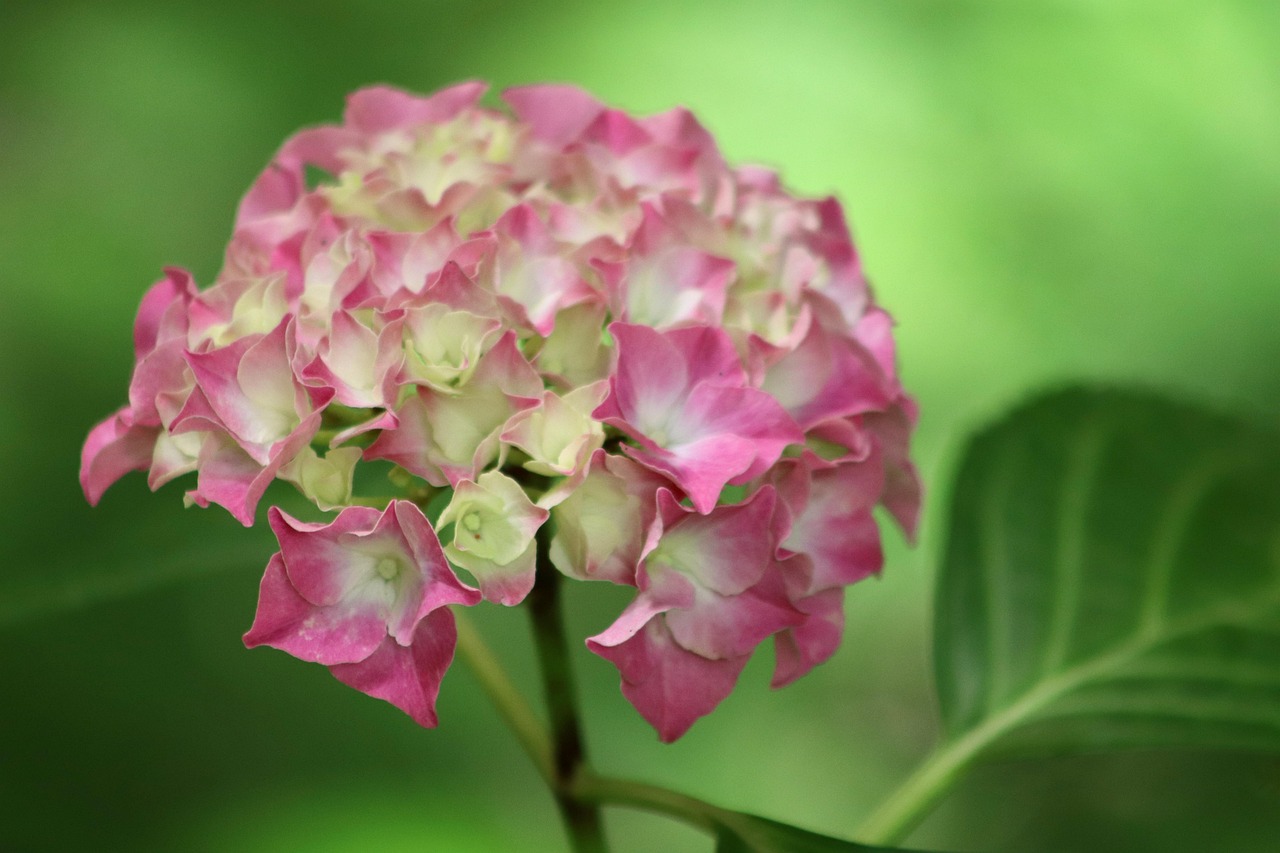
Plant spring bulbs now, either in beds or containers. Plant
bulbs in drifts for a naturalistic effect in lawns, e.g. crocus, daffodils and
fritillaries.
V:
Sow green manure now, such as clovers, ryes and mustards,
instead of leaving the ground bare. And to optimise available nutrients for the
next crop.

F: Plant
displays of Heather's, cyclamen, winter pansies ,skimmia in beds and
containers.
V: Plant
garlic cloves and overwintering onions in a sheltered warm spot or under
protection. Plant garlic 5cm below the surface.

F:
Now that the first frosts have arrived, lift dahlia tubers,
clean and dry them. Cut the stems down to 4 or 5 inches from the stool, wrap in
dry newspaper and store in a dry, frost free place till Spring.
V: Prune fruited canes of blackberries and autumn fruiting raspberries down to the
ground.

F: Move
any deciduous shrubs that have outgrown their current space, and plant any new
shrubs.
V:
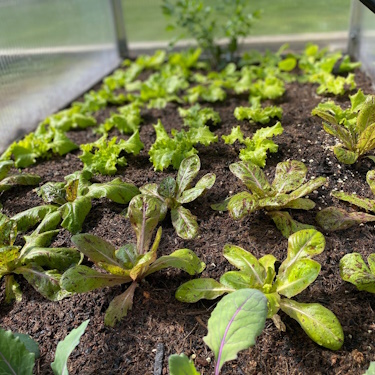
Plant out spring cabbages now and erect a net over them to
deter hungry pigeons.
F:
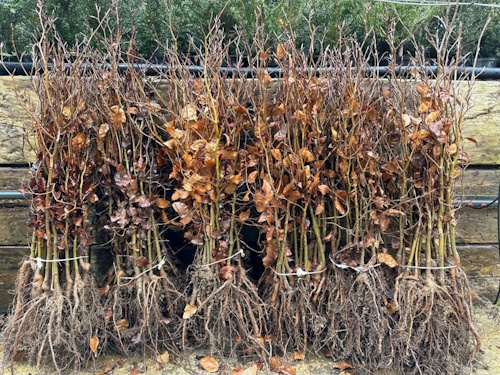
Plant bare root hedging, new roses and trees, but not if the
ground is too wet.
V:
tidy strawberry plants, cut back old, dead and diseased
foliage and remove excess runners that are not needed for propagation.
F:Cut
down any spent perennials, leaving any seed heads for the birds. Divide plants
if necessary.
V:
Take hardwood cuttings from healthy fruit bushes, like
currants, gooseberries and blueberries.
F:
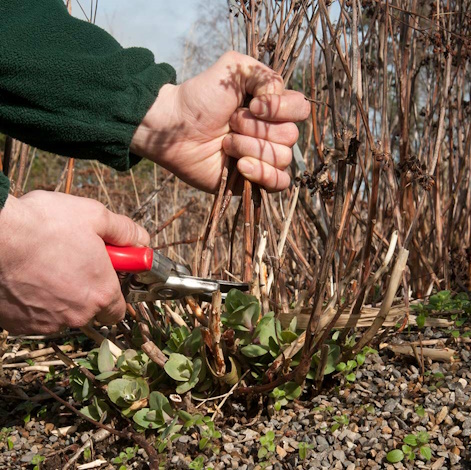
Cut down stems of bush and shrub roses by half and Clear up
any foliage. Especially those that are infected with black spot, or rust. Burn
if possible.
V: Support top heavy crops like Brussels sprouts. Remove any
unused canes and supports in the garden, disinfect, dry and store under cover
till next year.
:

F: Plant
tulip bulbs now in borders and containers. Cover them with at least twice their
depth with soil or compost.
V: Plant bare root fruit trees, canes and bushes if the soil is
not too wet or frozen.

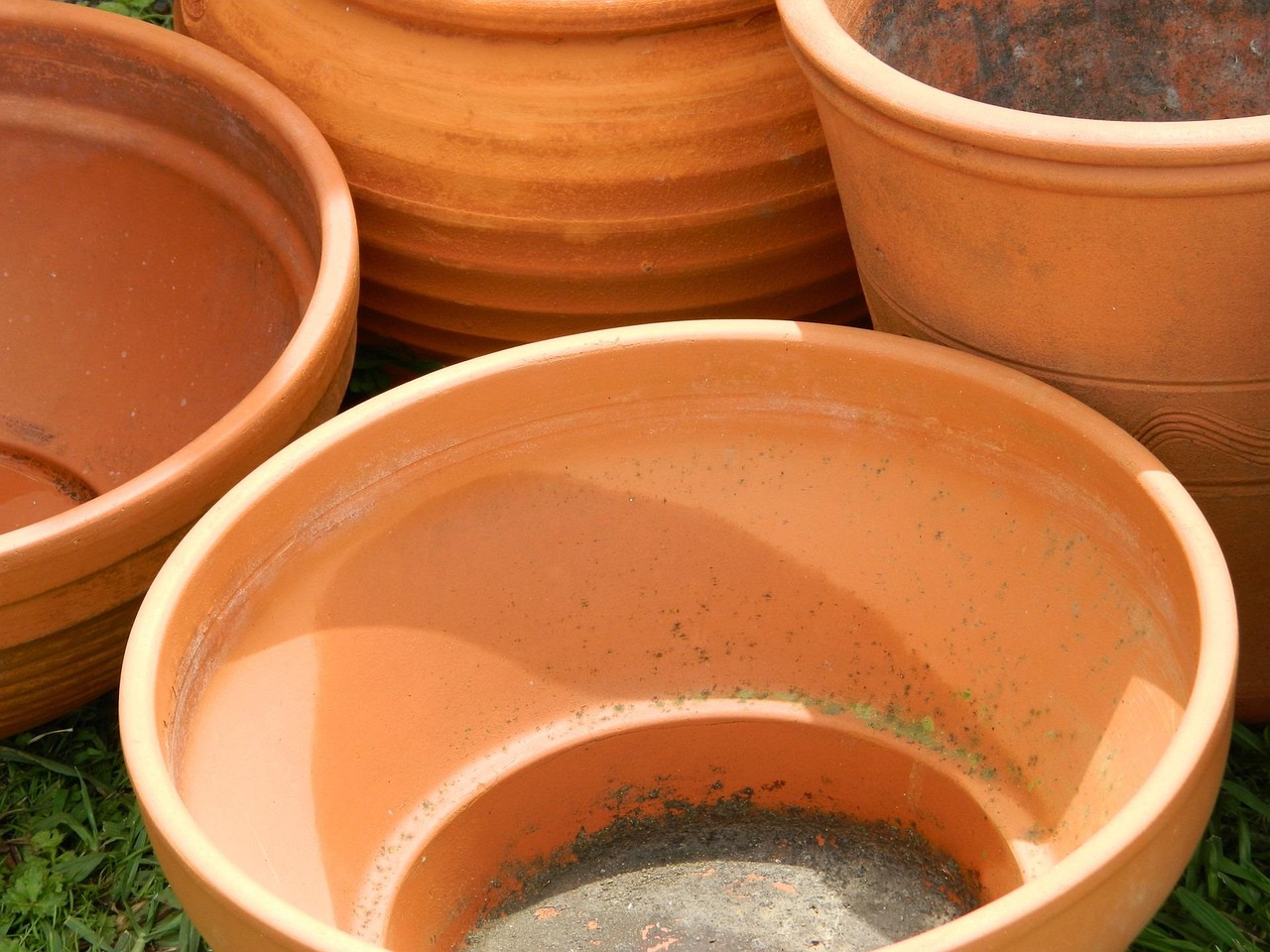
F: Protect terracotta pots and containers from getting frost
damage and cracking. Bring them inside, or wrap them in bubble wrap to
insulate. Raise them off the ground with pot feet or old tiles.
V: Lift and divide large clumps of rhubarb, replant the outer
sections and discard the old central part of the crown. Enrich the area with
well rotted farm yard manure.
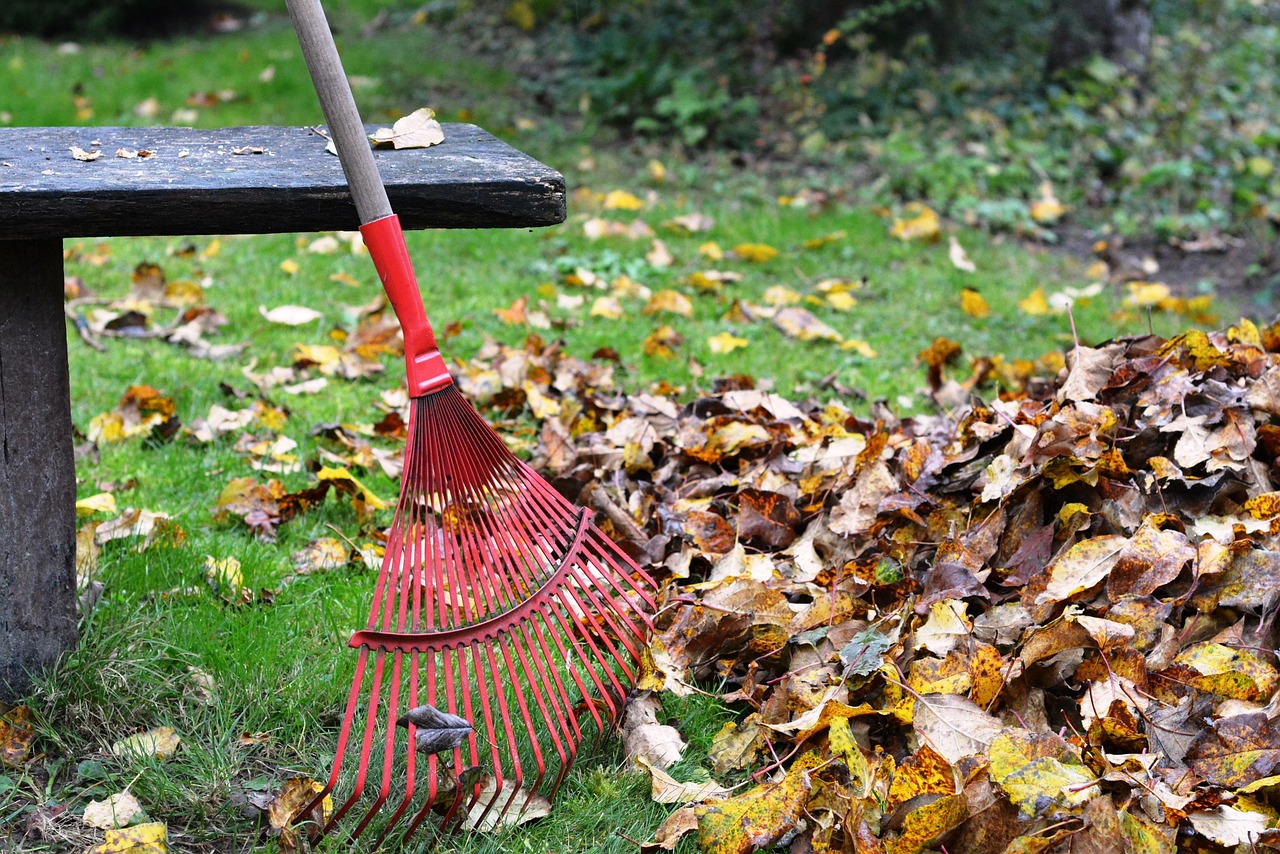
F: Rake up any fallen leaves now and make leafmould. Simply put the leaves in black
dustbin liners, pierce holes in The bags, tie up and leave untill Spring.
V: Winter prune large fruit trees, such as apples and pears
to control the site and shape, and to increase production.
F: Move any plants in containers or pots to a sheltered spot if it turns cold. The cold wind can do as much damage to plants as frost and ice.
V: Prune grapevines by cutting back the side branches to one or two buds from the main stem.

F: Put straw or bracken around the base of tender plants
and climbers to protect them from the frost and snow. Cut any spare Holly and
berry material to use for Christmas decorations like wreaths etc.
V: Finish clearing any old crops and debris from the plot
and only compost healthy material.

V+F: If the ground is
favourable, you can begin to sow some seeds now in drills, either outside or in
a greenhouse/ polytunnel bed.
F: Hardy annual seeds can be
sown outside now, directly where they are to flower. Just rake the soil as fine
as you can and sow the seed thinly.

V+F: Tidy up strawberry
plants by removing dead leaves. Mulch rhubarb crowns now with well rotted farmyard
manure or compost.
F: Tidy up perennial plants
now by cutting old growth to just above ground level.

V+F: Continue to sow tomato
seeds now, also time to sow cucumber and chilli pepper seeds.
F: Remove any black leaves
from hellebore plants to show off their flowers.

V+F: Fork over any flower
beds now and dress with bone meal and /or well rotted farmyard manure or
compost.
F: Protect any early flow
shrubs with fleece, such as Camalias, magnolia and azalea if snow and severe
weather is likely.

V+F: Tomatoes, peppers, and
aubergines can be sown now, either in a propagator or on a sunny warm spot.
F: Prune summer flowering
clematis now, by cutting back to a strong pair of leaves near the base when
they appear.

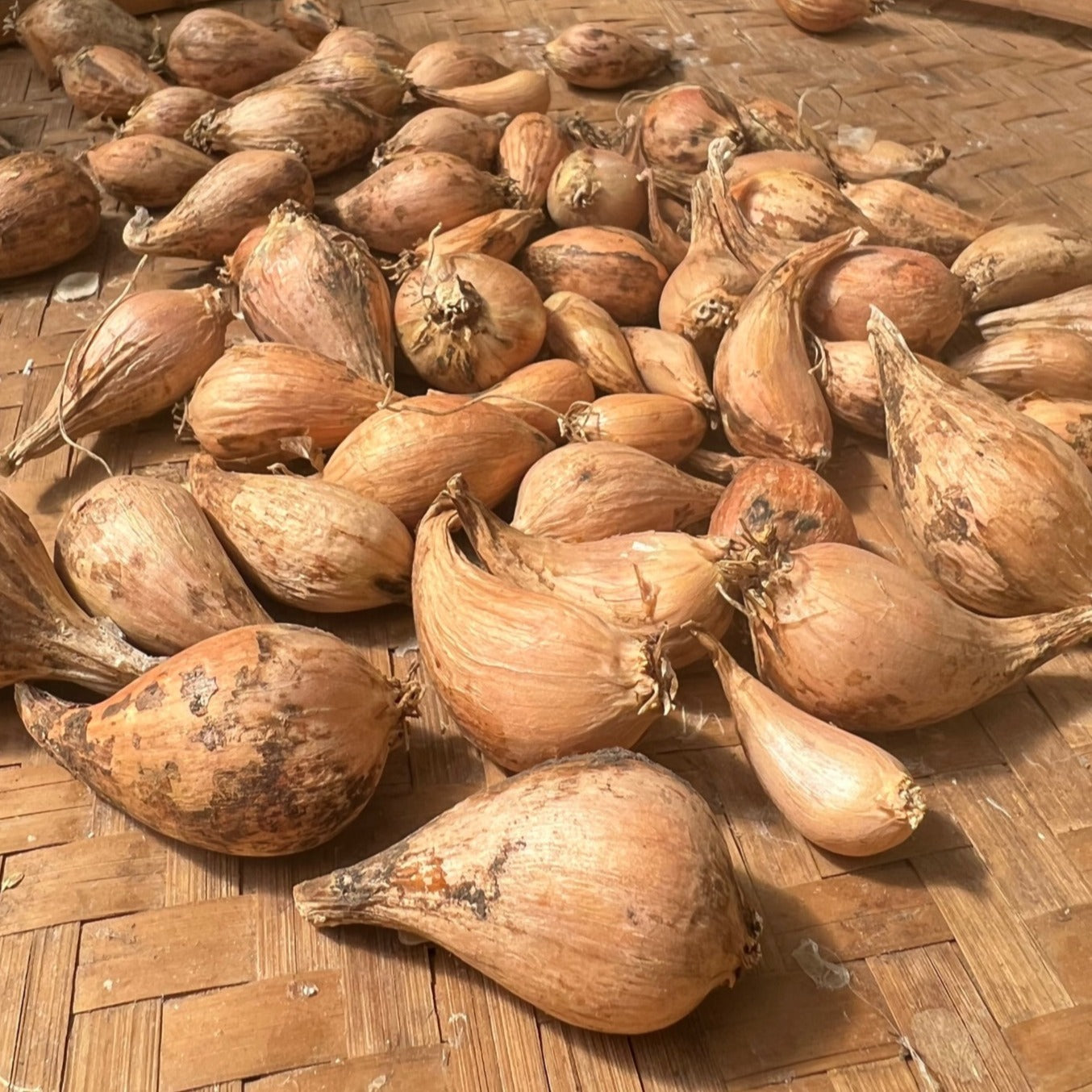
V+F. Plants shallots in
small pots now, for planting out later when the ground is more favourable.
F: Prune wisteria now, by
cutting back shoots hard to 2 strong buds form the main branch/stem
V+F: Purchase seed potatoes
and chit them by standing them upright in egg boxes or trays and place in a
light place to start them into growth.
F: Plant out any bulbs that
were used for the Christmas display, such as hyacinth and narcissus.
:max_bytes(150000):strip_icc()/SPR_what-are-seed-potatoes-4120142_1b-68fb33f884b2465fa35bafe15b9c51de.jpg)
V+F. Plant your crop
rotation now, carry out a soil test, then any adjustments can be made, like
adding lime etc.
F: Begin to prune roses now,
cutting out any dead wood, then reduce the remaining branches back by half.

V+F. Cover any vacant ground with black polythene. This will
prevent the nutritional from being washed from soil.
F: Check store dahlia tubers. Cut out any rotted
tissue, and dust with a suitable organic fungicide

V+F: Fork over any compacted soil with the new fork Santa
brought you, and eat the remaining Brussels sprouts!
F: Deadhead any winter flowering bedding plants. Such as
pansies, violas and cyclamen

V+F: Harvest Brussels sprouts, winter cabbage, leeks and
parsnips
F: Bring indoor any pots of paperwhite narcissus, and
poinsettia for a Christmas display.

V+F: Dig trenches for next year's runner beans, adding a thick layer of green material - such as grass mowing or green waste or compost - to the bottom and replace the soil.
F: Ensure any containers or pots left out over winter are raised on feet or supports, to allow for good drainage.

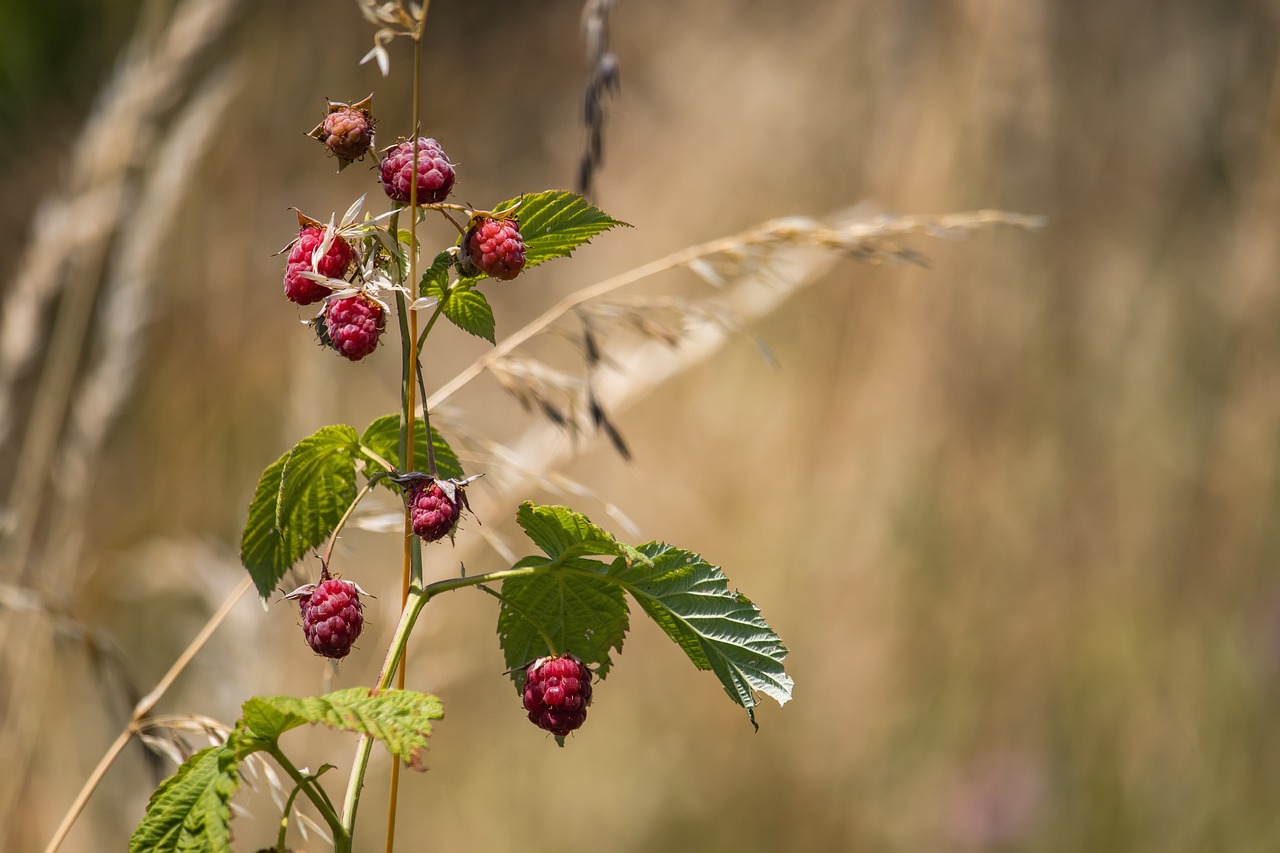
V+F: Prune Autumn fruiting raspberries by cutting the canes down to just above ground level
F: Plant up any remaining winter flowering pansies, viola and cyclamen.
V+F: Take cuttings of red and white currants and gooseberries now.
F: Pot up an amaryllis bulbs now for a Christmas Display
V+F: Plant bare root fruit trees and bushes now. Ensure any ties on existing ones are adjusted and not too tight as this will damage them.
F: Look through seed brochures and garden centres now, and order seeds for next year

V+F: Clear Ground of any plant debris now and put onto compost heap. Fork over the ground to stop compaction.
F: Plant tulips now, best left until now to prevent tulip fire - a virus that will destroy the bulbs. More prevalent in warmer soils.

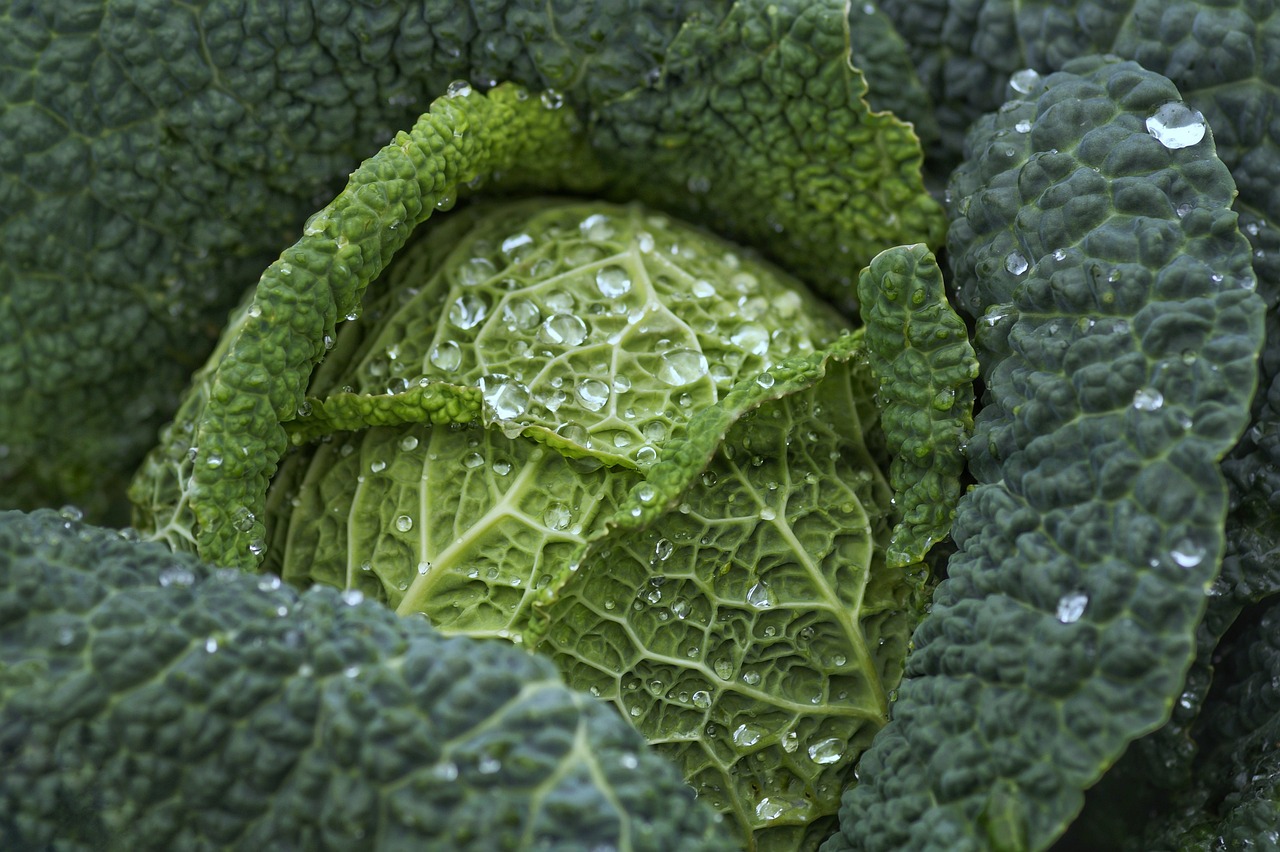
V+F: Plant out winter and spring cabbages, cauliflowers and broccoli that was sown earlier.
F: Prune any shrubs and roses back by a third to prevent damage from the onslaught of strong autumn winds.
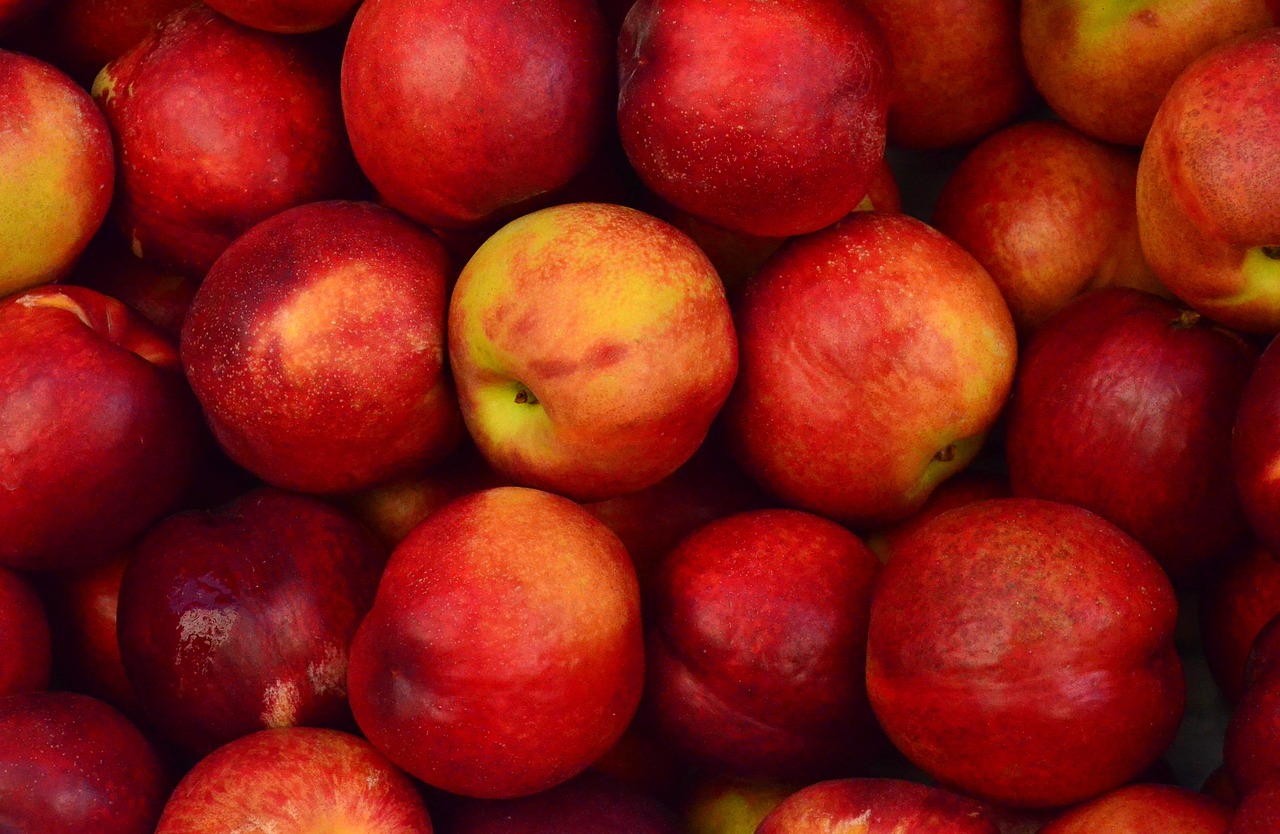
V+F: Pick any apples and pears when they are ready. Store in a cool, frost free place until needed. Do not store if they are damaged as they will rot.
F: Plant wallflowers and Sweet William now for a Spring display.
V+F: Sow broad beans for overwintering now, such as Aquadulce and Claudia and Monica.
F: Lift any Dahlia tubers that may have been hit by any early frosts. Dry off and storing upside down and leaving in a frost free, dry area such as a garage or shed

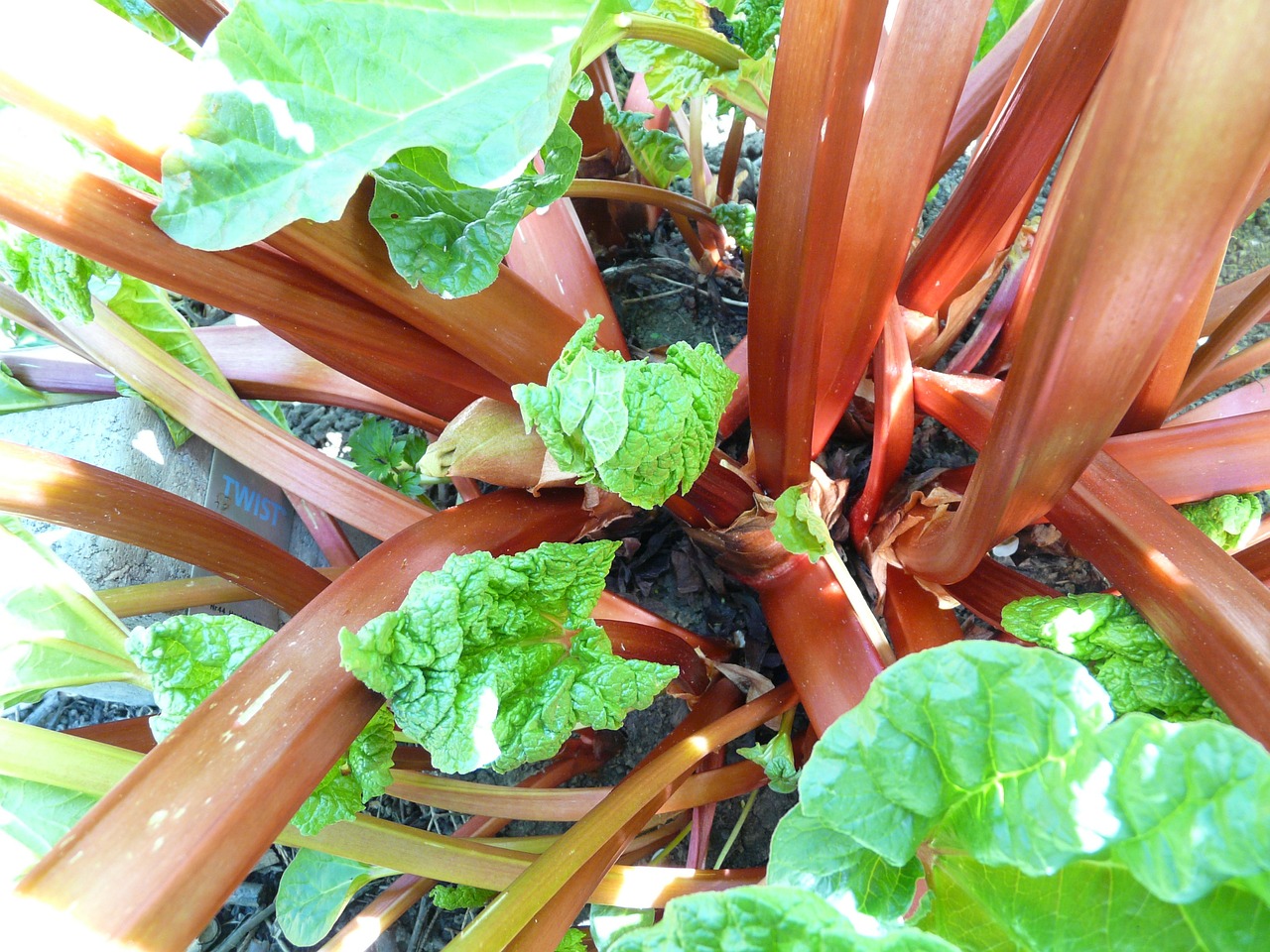
V+F: Plant new rhubarb crowns now, and any old clumps can be dug up, divided and replanted, enrich the planting area with some well rotted farmyard manure.
F: Dig up, lift and divide clumps of perennials now. A great way of getting more plants for free and revitalising new growth.
V+F: Overwintering onion sets and some varieties of garlic can be planted now.
F: On a dry, sunny day, collect any ripe seed heads from flowers. Store in envelopes and place in plastic airtight container. Don't forget to label!

V+F: Prune summer fruiting raspberries, also loganberries and blackberries. Just cut canes down to just above ground level.
F: Continue to tie any dahlias and large plants as the flower and growth will be heavy and is easily damaged by the weather.

V+F: Sow Winter and Spring cabbages, cauliflowers, lettuces, and corn salads.
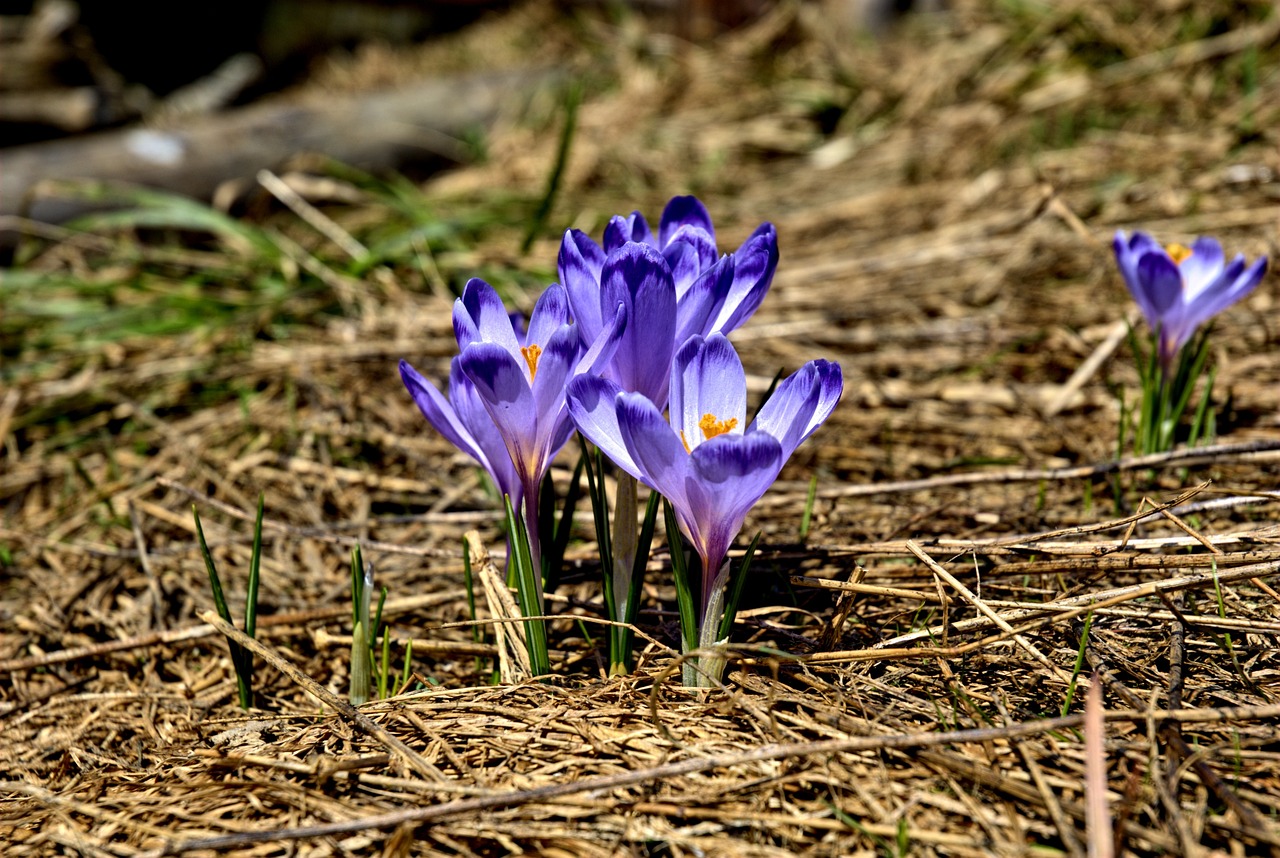
F: Begin to plant Crocus and Daffodil bulbs now for a Spring Display.
V+F: Continue to feed tomatoes once a week and remove any side shoots on cordon grown plants.
F: Continue to deadhead any spent flowers and cut flowers for vases in the house. This will promote more flowers.

V+F: Plant out onion and
shallot sets now if the ground is favourable, after raking and applying on organic
fertiliser such as blood, fish and bone.
F: Erect a framework of
clean bamboo canes now and plant out sweet peas.

V+F: Plant early potatoes,
spacing them 1 foot apart. Place a layer of grass clippings at the base of the
trench to help prevent scab disease.
F: Lift and divide any
snowdrop now, that are still in growth.

V+F: Plant asparagus crowns
now. Plant any remaining bare root fruit trees and bushes.
F: Plant any new perennials
now. Deadhead any spent Daffodil flowers by simply nipping off the flower. DO
NOT bend over, or tie any foliage. Leave it to die back naturally.

V+F: Continue to direct sow
any vegetables seeds outside. Collect Hazel branches as supports for peas
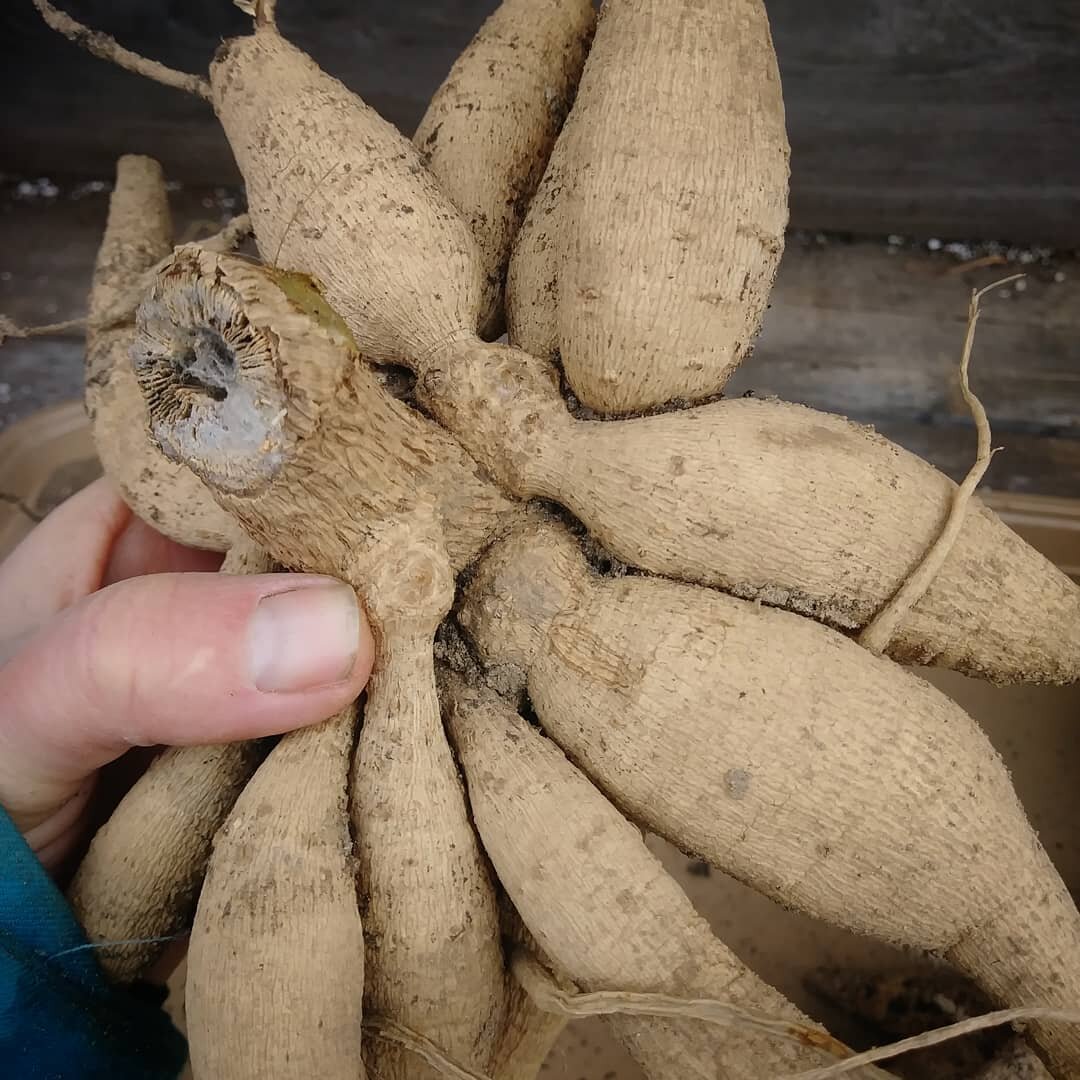
F: Start any wintered Dahlia
tubers into growth now. Lay shallowly in trays of fresh compost, bringing into
the light and watering sparingly.
V+F: Check any netting
covers on fruit cages for damage. Repair or replace.
F: Continue to plant out any
new perennial or Hardy annuals. Plant gladiolus and lily corms now.

V+F: Plant spring garlic
now. Cultivars for planting this time of year are Solent White, Picardy.
F: Prick out any flower
seeds sown earlier. Thin any direct sown annuals to a few inches apart, or
transplant to a new position.
:max_bytes(150000):strip_icc()/GettyImages-1046040508-2000-f21cb9eb99df4a87b626ff3566854ac0.jpg)
V+F: Finish planting any
potatoes now, including main crop varieties.
F: Give roses a mulch with well-rotted
farmyard manure and or a good specially formulated rose food.

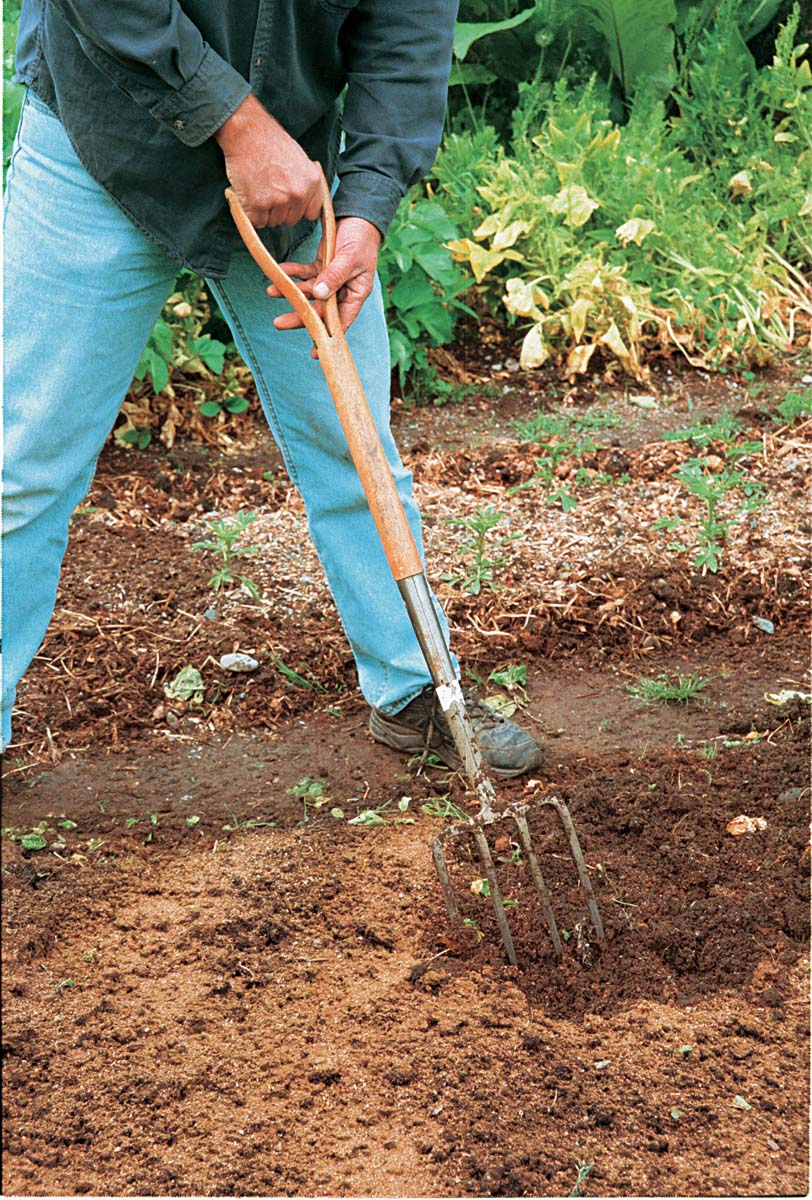
V+F: Prepare ground by
gently forking over to aerate the soil and top dressing with fish, blood and
bone.
F: Harden of any tender or half-Hardy
plants now. Bring inside for protection in cold weather or if cold temperatures
are forecast.
V+F: Erect canes and trellis
supports now for runner beans, peas and cucumbers.
F: Plant out and bedding once
hardened off. Plant up containers, tubs, window boxes and hanging baskets if
the risk of frost has passed

V+F. Direct sow runner beans,
French beans and salad crops if the ground is favourable.
F. Stake and erect supports
and ties now for dahlia plants.

V+F. Ensure any cabbages,
cauliflowers and broccoli are protected from the cabbage white butterfly by a
net or fleece cover. Make sure birds can not get in and get trapped.
F: Growth will be lush now,
so tying and supporting new growth is import.
